
Top UK fashion startups for mindful, minimalist style
TL;DR:
- UK startups focus on regenerative materials, circular models, and minimalist design for sustainable fashion.
- Akyn, E.L.V. Denim, and The Little Loop exemplify diverse approaches from new materials to resale platforms.
- Choosing the right brand depends on lifestyle, budget, and values, supporting long-term, conscious wardrobe choices.
Finding a wardrobe that reflects your values is harder than it sounds. You want quality, simplicity, and ethics in equal measure, yet most mainstream brands continue to push volume over intention. A new wave of UK fashion startups is addressing this directly, building labels around regenerative materials, circular models, and minimalist design that suits creative, active, and outdoor-focused urban lives. This article examines the selection criteria you need, profiles three standout UK startups, and offers a side-by-side comparison to help you decide which brand fits your lifestyle and philosophy.
Table of Contents
- How to evaluate a UK fashion startup: what matters most
- Akyn: sustainable minimalism made in the UK
- E.L.V. Denim: upcycling vintage for modern urbanites
- The Little Loop: resale as a circular economy disruptor
- Quick comparison: which UK fashion startup fits your lifestyle?
- Our perspective: why mindful minimalism is the future of UK fashion
- Explore meaningful minimalist style with Memento Vivere Co
- Frequently asked questions
Key Takeaways
| Point | Details |
|---|---|
| Material matters | Regenerative and upcycled fabrics are key for making fashion more ethical and sustainable. |
| Minimalism pays off | Investing in high-quality, timeless pieces leads to longer-lasting, versatile wardrobes. |
| Circularity offers variety | Resale and upcycling startups let you refresh your style with a lower environmental footprint. |
| Transparency builds trust | Startups succeeding today are open about sourcing, pricing, and philosophy. |
How to evaluate a UK fashion startup: what matters most
Before spending your money or your loyalty on a new brand, it helps to know exactly what to look for. The UK market is saturated with labels claiming sustainability credentials, so a clear framework saves time and prevents disappointment. The following criteria apply specifically to the mindful, minimalist urbanite who wants fashion to serve a purpose beyond appearance.
Materials: what goes into the fabric
The foundation of any credible sustainable brand is its material choices. Regenerative fibres such as organic cotton, European flax, hemp, and Tencel actively restore rather than deplete the land they come from. Recycled synthetics are one step removed. Conventional polyester and virgin nylon are a sign to look elsewhere. Checking a brand’s fabric breakdown on its product pages is a reliable way to assess its true commitment, not just its marketing language.
Design: built for real urban lives
Minimalist design is not just an aesthetic preference. It is a practical one. Pieces with clean silhouettes, neutral palettes, and versatile cuts travel across contexts, from gym sessions to creative studios to weekend hiking trails. Purposeful fashion choices reduce the number of items you need overall, which is the point. A well-designed piece replaces three average ones.
Circularity: what happens at end of life
A brand that produces durable, repairable, or resaleable items is building for the long term. Look for take-back schemes, repair services, or partnerships with resale platforms. Best sustainable clothing brands now emphasise circularity, regenerative materials, and versatile designs for active urban lifestyles, and that standard is quickly becoming the baseline expectation rather than a premium feature.
Transparency: supply chain openness
Can the brand tell you where its fabric is woven, where its garments are cut, and who is paid to make them? Transparency reports, named factories, and living wage commitments are all positive indicators. Vague statements about being “eco-conscious” without evidence are a warning sign.
Accessibility: price, sizing, and availability
Ethical fashion often carries a higher price tag, which reflects real costs: fair wages, quality materials, and smaller production runs. However, not every sustainable brand is out of reach. Resale platforms, rental models, and mid-range options are widening access. Consider what you can realistically spend and which model, buying new versus buying second-hand, aligns with your habits.
“Buying one considered piece rather than five disposable ones is not a restriction. It is a cleaner way to live.”
Pro Tip: When assessing a new brand, search for its materials list and factory information before looking at its product photography. The facts matter more than the imagery.
Key criteria at a glance:
- Materials: Regenerative, recycled, or natural fibres with transparent sourcing
- Design: Versatile, minimalist cuts suited to active and creative lifestyles
- Circularity: Resale, repair, or take-back options built into the brand model
- Transparency: Named suppliers, wage disclosures, and impact reporting
- Accessibility: Realistic pricing or alternative access routes such as resale
Akyn: sustainable minimalism made in the UK
Akyn represents a clear application of every criterion listed above. Founded by Amy Powney in 2025, the brand is built around a zero fossil-fuel fabric commitment, using organic cotton, European flax, hemp, RWS wool, and Tencel across its collection. Powney, formerly creative director at Mother of Pearl, brings considerable industry experience to a label that prioritises longevity over trend cycles.
The silhouettes are intentionally timeless. Fluid trousers, structured overshirts, and unfussy knitwear make up the core offering. Nothing is designed to date. That is a deliberate choice that suits urbanites who want a capsule wardrobe rather than a constantly rotating closet. The pieces are made to be worn across seasons and across activities, from a Saturday walk to a Monday meeting.
Key product and brand facts:
- Fabrics: organic cotton, European flax, hemp, RWS wool, Tencel
- Zero fossil-fuel fabrics across the entire range
- Direct-to-consumer sales alongside wholesale at Liberty London
- Upcoming stockist: Harvey Nichols
- Retail price range: £125 to £890 per piece
The £125 to £890 price range places Akyn firmly in the premium segment. This is not impulse-purchase territory. It is the kind of investment that replaces multiple cheaper items and performs better over a longer period. The Liberty and Harvey Nichols stockist relationships indicate growing mainstream traction without compromising the brand’s principles.
For those exploring new UK minimalist brands, Akyn is one of the more credible recent launches. It approaches minimalist fashion and brands not as a visual trend but as a manufacturing philosophy. The label also fits naturally alongside nature-inspired clothing brands that prioritise materials with genuine environmental stories.
Pro Tip: Akyn pieces function best as the foundation of a capsule wardrobe. Prioritise one or two core items in neutral tones and build outward from there rather than buying the full range immediately.
Akyn snapshot:
| Feature | Detail |
|---|---|
| Founded | 2025 |
| Founder | Amy Powney |
| Key materials | Organic cotton, flax, hemp, Tencel |
| Price range | £125 to £890 |
| Availability | Direct-to-consumer, Liberty, Harvey Nichols |
E.L.V. Denim: upcycling vintage for modern urbanites
Where Akyn starts from scratch with regenerative materials, E.L.V. Denim takes a different route entirely. Founded by Anna Foster in 2018 in East London, the brand uses 100% upcycled denim sourced from vintage stock to produce jeans designed specifically around the female body. Every pair is made in London ateliers by skilled local artisans.

The construction approach is worth understanding in detail. Vintage denim is sourced, assessed for quality, then deconstructed and reconstructed into new silhouettes. Adjustable seams allow for a better fit over time, meaning the jeans adapt rather than becoming redundant when a body changes. This is a practical answer to one of fast fashion’s biggest failures: the single-use fit.
E.L.V. Denim facts:
- Founded: 2018, East London
- Materials: 100% upcycled vintage denim
- Manufacturing: Local London ateliers
- Price: Jeans starting at £275
- Achievement: First fully upcycled brand at London Fashion Week
The £275 starting price reflects genuine costs. Local labour in London is expensive, and sourcing quality vintage denim at scale requires consistent effort. The result is a product with a clear provenance and a story that no mass-produced pair of jeans can match. For the urbanite who wants streetwear for urban youth that carries real meaning, a single pair of E.L.V. jeans outperforms a wardrobe full of disposable alternatives.
“The most sustainable garment is the one already made. Upcycling takes that logic and turns it into design.”
The brand’s debut at London Fashion Week as the first fully upcycled label there was a significant moment for circular fashion in the UK. It signalled that the industry’s traditional gatekeepers are beginning to take regenerative design seriously, not just as ethics, but as craft. Those looking to master timeless streetwear will find that a pair of E.L.V. jeans anchors a look without demanding attention.
| Feature | E.L.V. Denim |
|---|---|
| Material source | 100% upcycled vintage denim |
| Manufacturing location | East London |
| Starting price | £275 |
| Target customer | Urban women, minimalist and quality-focused |
| Key design feature | Adjustable seams for longevity |
The Little Loop: resale as a circular economy disruptor
The Little Loop operates on a different model altogether. Based in Brighton, the platform has built its reputation on curated resale, initially focused on children’s fashion before raising £750,000 in 2026 to fund expansion into adult segments. That funding round is a clear indicator of investor confidence in circular fashion platforms as a scalable business model.
For the urban minimalist, resale offers a distinct set of advantages. It extends the life of existing garments, reduces demand for new production, and often makes higher-quality items accessible at lower prices. Buying a well-maintained piece from a curated resale platform is arguably the most sustainable purchasing decision available. The environmental footprint is a fraction of buying new, even from an ethical brand.
Why resale fits the minimalist urbanite:
- Lower price points make quality brands accessible without full retail investment
- Curated selection removes the noise of bulk second-hand marketplaces
- Circular participation supports the circular fashion benefits that matter to the eco-aware urban community
- Wardrobe rotation becomes possible without generating new demand
- Buying pre-owned communicates values clearly, both personally and socially
The Little Loop’s curation model is important. Not all resale is equal. Platforms that verify quality and present items clearly reduce the friction that puts many buyers off second-hand markets. A well-curated resale experience is closer to shopping at a considered boutique than rummaging through a charity shop, which matters to an audience with high standards for both aesthetics and functionality.
| Feature | The Little Loop |
|---|---|
| Base | Brighton |
| Model | Curated resale platform |
| Recent funding | £750,000 (2026) |
| Expansion | Moving into adult fashion |
| Price positioning | Below retail, accessible |
Pro Tip: Use resale platforms to trial brands before committing to full retail prices. If a piece works well second-hand, it tells you a great deal about the brand’s quality and durability.
Quick comparison: which UK fashion startup fits your lifestyle?
Each of the three brands profiled here occupies a distinct position in the sustainable fashion landscape. The right choice depends on your priorities: whether that is materials philosophy, price point, design aesthetic, or purchasing model.
The UK consumes more clothes per capita than any other country in Europe, and five billion pairs of jeans are produced globally each year, many of which end in landfill. These numbers frame why the decisions you make about where to buy matter. Each purchase is a direct signal to the market about what you value.
| Brand | Sustainability model | Price range | Best for | Availability |
|---|---|---|---|---|
| Akyn | Regenerative new materials | £125 to £890 | Capsule wardrobe investment | Direct, Liberty, Harvey Nichols |
| E.L.V. Denim | 100% upcycled vintage | From £275 | Quality denim, artisan craft | Direct, select stockists |
| The Little Loop | Curated resale platform | Below retail | Budget-conscious minimalists | Online platform |
Choosing by lifestyle:
- Active and outdoor-focused: Akyn’s versatile silhouettes and natural fabrics perform across environments
- Creative urbanites: E.L.V. Denim offers distinctive pieces with a clear provenance narrative
- Budget-conscious minimalists: The Little Loop provides access to quality brands at resale prices
- Philosophy-first buyers: All three support meaningful streetwear advantages in different ways
The comparison is not about ranking. It is about alignment. A brand that fits your values, your budget, and your actual lifestyle will serve you far better than one that simply scores highest on an abstract sustainability metric.
Our perspective: why mindful minimalism is the future of UK fashion
Fast fashion’s dominance over the past two decades created habits that are difficult to unlearn. Volume became normalised. Cheap became expected. The environmental and social costs were absorbed quietly by people and places far from the point of purchase. That model is not sustainable, financially or ecologically, and a growing number of UK consumers in the 25 to 40 age bracket are acting on that knowledge.
The shift toward circular fashion, regenerative materials, and resale is not a passing trend. It reflects a structural change in how a generation relates to ownership, consumption, and identity. True minimalism requires commitment. Buying one considered piece rather than five disposable ones means accepting a higher upfront cost and resisting the pull of constant newness. That is a harder discipline than it sounds, but the reward is a wardrobe with actual coherence.
Supporting startups like these also catalyses change at industry level. Every £275 pair of E.L.V. jeans funds local craft. Every Akyn order validates regenerative supply chains. Every resale purchase tells brands that longevity is valued. Urbanites who follow mindful streetwear trends are not simply consumers. They are directing where the industry moves next.
Explore meaningful minimalist style with Memento Vivere Co
The brands profiled here share a common thread: fashion as a considered choice rather than a reflex purchase. Memento Vivere Co operates on the same principle.
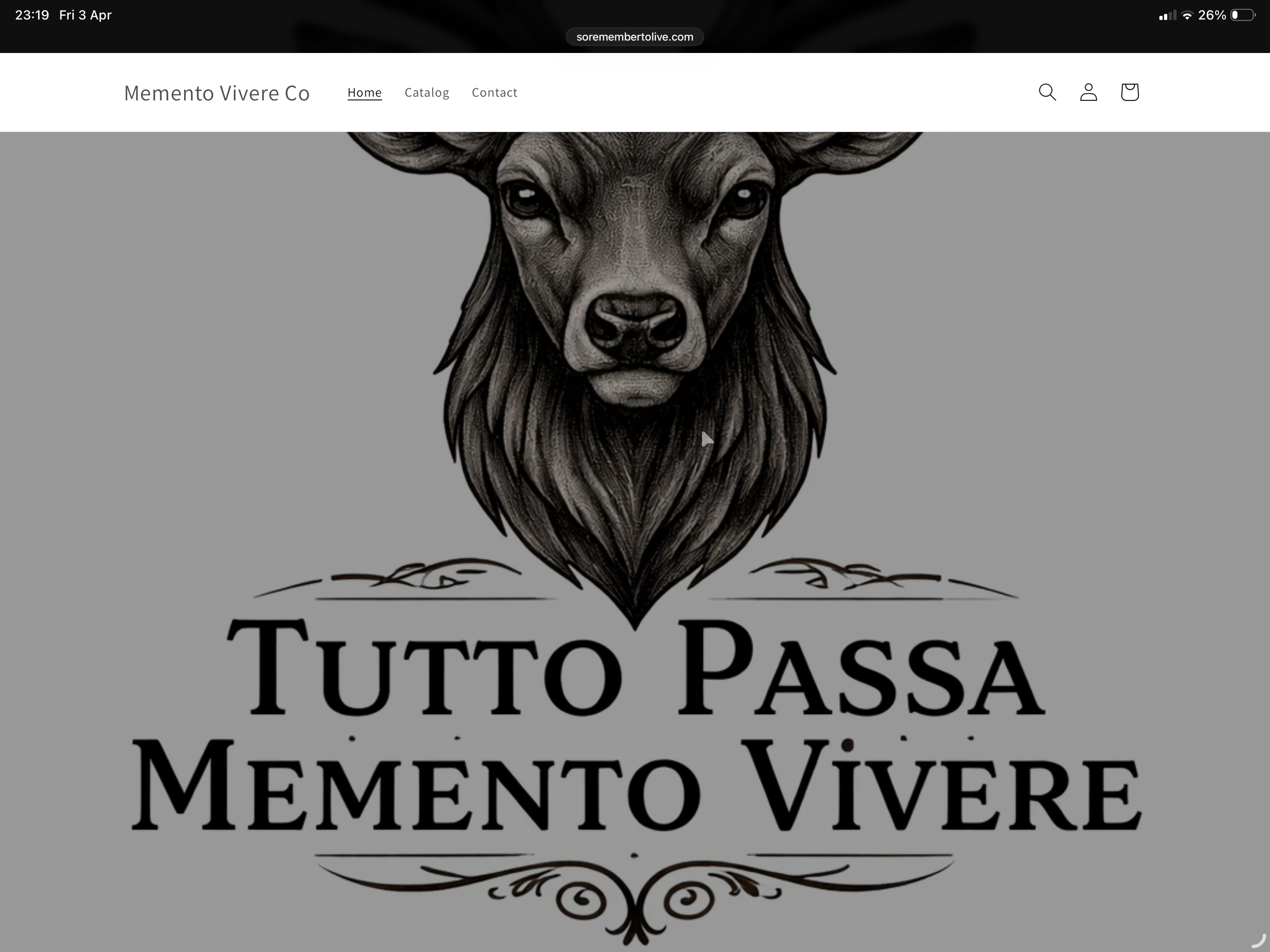
Designed for creative, active urbanites, the Memento Vivere Co range combines minimalist aesthetics with purposeful symbolism, building on the philosophy that everything passes and what you carry with you should mean something. The Signature Backpack and Signature Drawstring bag are practical, well-constructed accessories that suit both urban commutes and outdoor pursuits. Browse the full Memento Vivere Co collection to find pieces that align with a minimalist, values-led approach to everyday carry.
Frequently asked questions
What is the difference between upcycled and resale fashion startups?
Upcycled startups transform old materials into entirely new designs, as E.L.V. Denim does with vintage denim, while resale startups allow you to purchase pre-owned garments in their original form without alteration.
Are sustainable UK fashion startups affordable?
It depends on the model. Akyn pieces retail for £125 to £890 and E.L.V. Denim jeans start at £275, while resale platforms such as The Little Loop offer quality items well below their original retail prices.
Why are upcycled and regenerative materials important?
These materials reduce demand for new resource extraction and divert existing waste from landfill. Startups now prioritise circularity and regenerative or recycled materials as a direct response to the fashion industry’s environmental impact.
How can I find UK fashion startups that align with a minimalist lifestyle?
Focus on brands that publish clear materials information, commit to timeless design over seasonal trends, and maintain transparency about their supply chains and manufacturing partners.
Do circular fashion startups support a fitness or outdoorsy lifestyle?
Yes. Many are producing versatile pieces in natural or recycled fabrics that perform across active urban contexts, from daily commutes to weekend outdoor activities, without compromising on aesthetic simplicity.
Recommended
- New UK clothing brands for meaningful minimalist style – Memento Vivere Co
- Inspirational fashion trends: Mindful streetwear for 2026 – Memento Vivere Co
- Why embrace minimalist style: Meaningful fashion for mindful lives – Memento Vivere Co
- Minimalist fashion: examples, brands and philosophy – Memento Vivere Co