
Minimalist lifestyle guide: clarity, growth, and style
TL;DR:
- Minimalism is about intentional living and reducing distractions, not just owning fewer items.
- It improves wellbeing, reduces stress, and can lower environmental impact through mindful choices.
- Practical steps include decluttering, digital detoxes, and reassessing commitments to create space for what matters.
Urban life in 2026 moves fast. Notifications, commutes, packed schedules, and endless product choices create a low-level noise that is difficult to escape. For young adults living in cities across the UK and Europe, this overload is not abstract. It is felt daily. Minimalism offers a practical, evidence-based response. It is not about owning nothing or living in a bare white flat. It is about reducing what competes for your attention so that what genuinely matters can take up more space. This guide covers the philosophy behind minimalism, how to prepare, the step-by-step process, common mistakes, and the realistic results you can expect.
Table of Contents
- What minimalism really means: foundations and philosophy
- How to prepare: mindset, essentials, and your starting point
- The process: step-by-step minimalist lifestyle transformation
- Troubleshooting and overcoming common minimalist mistakes
- Expected results: what life looks like as a minimalist
- Why minimalist success is about subtraction, not style
- Explore living minimally with Memento Vivere Co
- Frequently asked questions
Key Takeaways
| Point | Details |
|---|---|
| Minimalism prioritises intention | Focus on essentials that add value, not deprivation or trends. |
| Preparation is key | Assess habits, mindset, and needs before decluttering. |
| Declutter in steps | Use proven frameworks and routines for physical, digital, and mental simplification. |
| Embrace the philosophy | Seek meaning, community, and happiness through subtraction, not just style. |
What minimalism really means: foundations and philosophy
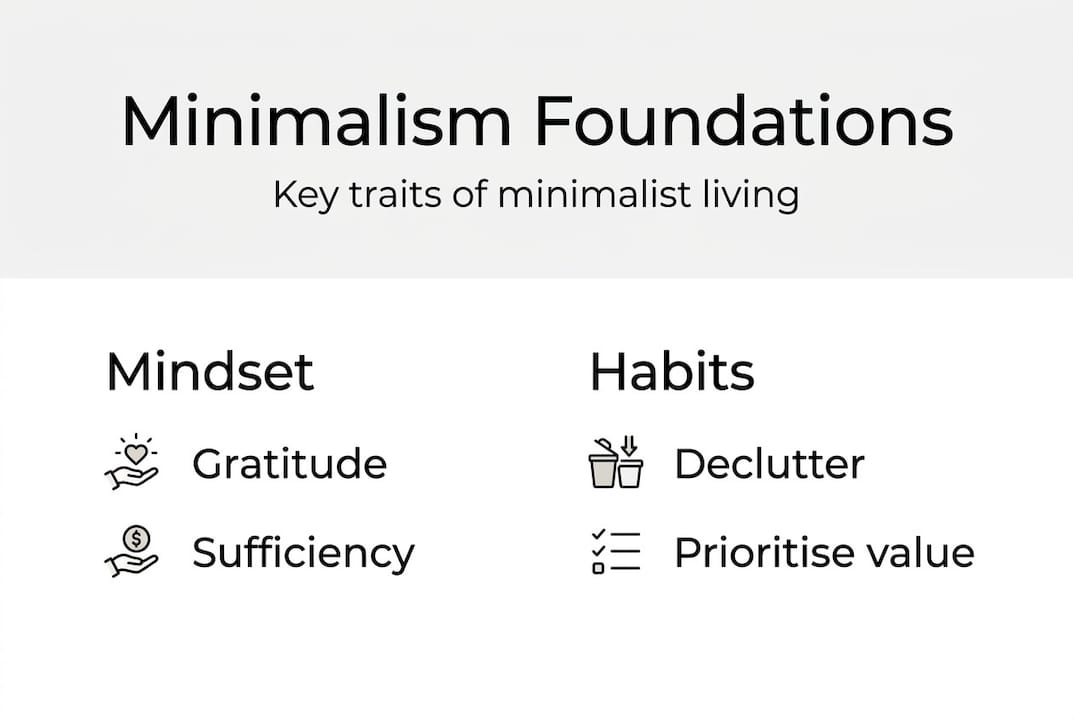
Minimalism is widely misunderstood. Many people assume it means owning fewer than 100 items or decorating with neutral tones. In practice, intentional living and minimalism are about something more substantial. As one framework puts it, minimalism involves intentional living, focusing on essentials that add value and reducing possessions, commitments, and distractions. That definition applies to wardrobes, social calendars, digital habits, and finances equally.
The philosophical roots of minimalism draw from Stoicism and wabi-sabi. Stoicism teaches that sufficiency and gratitude are more reliable sources of stability than accumulation. Wabi-sabi, a Japanese aesthetic philosophy, finds value in imperfection, simplicity, and stillness. Both traditions push back against the idea that more is better. Both are directly relevant to how young adults in cities can approach their lives with more clarity.
Common minimalism myths vs. reality
| Myth | Reality |
|---|---|
| Minimalism means owning almost nothing | It means owning only what adds genuine value |
| It is only for wealthy people with empty lofts | It is accessible at any income level |
| Minimalism is a visual aesthetic | It is primarily a mindset and behavioural shift |
| You must follow strict rules | You set your own standards based on your values |
Minimalism is also supported by empirical research. Studies show it can reduce stress by up to 40% and is positively linked to improved wellbeing. For urban residents dealing with sensory overload, crowded transport, and constant digital input, this is significant. Choosing minimalist streetwear or nature-inspired fashion is one visible expression of this shift, but the philosophy runs deeper than clothing choices.
Key principles to understand from the outset:
- Minimalism is about curation, not deprivation
- It applies to time and commitments, not just physical objects
- It is a practice, not a fixed destination
- Progress looks different for everyone
With this foundation, you are ready to begin preparing your own minimalist journey.
How to prepare: mindset, essentials, and your starting point
Before removing a single item from your flat, the most important step is assessing where you currently stand. Look at your possessions, your finances, your daily habits, and your commitments. Identify what creates stress, what you rarely use, and where your money goes without much thought. This audit is not about judgement. It is about clarity.
Research confirms that mindful and few belongings subtypes of minimalism are most effective for reducing ecological footprint and improving positive affect. This means the quality of your relationship with your possessions matters more than hitting a specific number.
Three core questions to apply to any item or commitment:
- Does it add genuine value to your life?
- Is it useful on a regular basis?
- Do you actively love it?
If the answer to all three is no, it is a candidate for removal. This framework applies to clothing, furniture, subscriptions, social obligations, and apps.
Practical starting tools
| Tool | Purpose |
|---|---|
| Rent and budget calculator | Identify housing and spending excess |
| Clutter tracker (notebook or app) | Log items you never use over 30 days |
| Digital declutter planner | Schedule app and notification reviews |
| Community groups (online or local) | Find accountability and shared experience |
The mindset shift required here is counterintuitive. Most people are conditioned to add. A new problem gets a new product. A stressful week gets a retail purchase. Minimalism inverts this. Subtraction is the tool. Removing what does not serve you creates space for what does. This applies to conscious clothing choices just as much as it applies to how you spend your evenings.
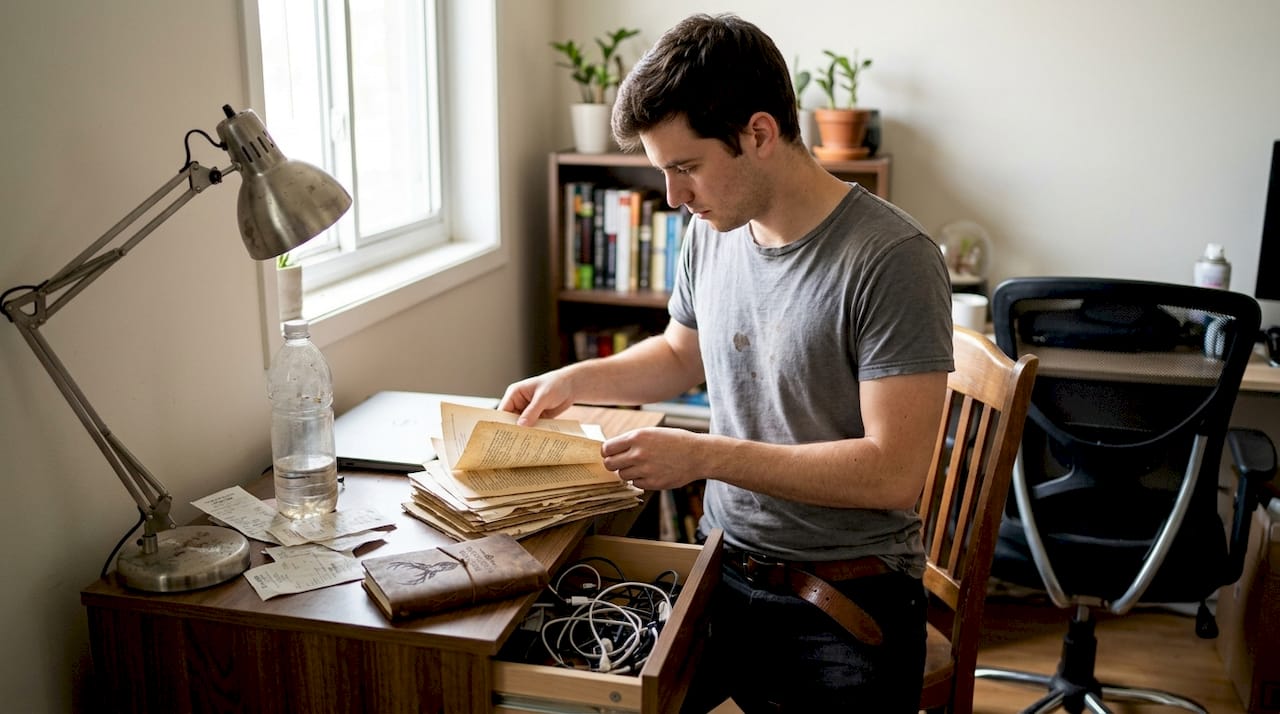
Pro Tip: Apply the one-in-one-out rule from day one. Every time something new enters your home or schedule, something existing must leave. This prevents accumulation from creeping back.
Once you have adopted the right mindset and gathered your essentials, it is time to begin practical action.
The process: step-by-step minimalist lifestyle transformation
Decluttering works best when approached in phases rather than all at once. Starting with physical possessions is usually the most tangible entry point.
Physical declutter steps:
- Clothes: Use the hanger trick. Turn all hangers backwards. After 90 days, donate anything still facing the wrong way.
- Possessions: Clear one drawer or shelf at a time. Apply the value, usefulness, and love test to each item.
- Workspace: Remove everything from your desk. Return only what you use daily.
- Donations: Use local charity shops, clothing swaps, or platforms like Vinted to rehome items responsibly.
Digital declutter steps:
- Unsubscribe from all email lists you have not opened in 30 days.
- Delete apps you have not used in the past month.
- Set notification limits: allow only calls and calendar alerts for one week.
- Run a 30-day digital reset to identify which digital habits genuinely serve you.
“Simplicity is not about having less. It is about making room for what matters more.”
For lifestyle changes, simplify where you can. Use public transport or cycling instead of car ownership. Prioritise free cultural events, parks, and community spaces. Choose a smaller flat in a well-connected area over a larger one that stretches your budget. When it comes to style, consider philosophical apparel that carries meaning rather than trend-driven pieces with a short lifespan. Symbolism in fashion is one way to maintain personal expression without accumulating excess.
Pro Tip: Schedule a quarterly review every three months. Set a calendar reminder and spend 30 minutes reassessing what has re-entered your space or schedule. Consistency prevents backsliding.
Now, let us address the common roadblocks and mistakes you may face and how to troubleshoot them.
Troubleshooting and overcoming common minimalist mistakes
The most frequent error is confusing minimalism with deprivation. Removing things that genuinely bring you joy is not minimalism. It is just discomfort. The goal is a curated life, not an empty one. If a particular item brings consistent value, it stays. Full stop.
A second common mistake is aesthetic minimalism without substance. White walls and expensive basics can look minimal while the underlying habits remain unchanged. Research confirms that the mindful and few belongings subtype is most effective for wellbeing, not the visual presentation of minimalism.
A third pitfall is replacing old excess with new consumerism. Selling 40 items and immediately buying 20 new ones defeats the purpose. The one-in-one-out rule helps here, but so does a 48-hour waiting period before any non-essential purchase.
Common mistakes to watch for:
- Decluttering once and never reviewing again
- Isolating yourself from social life in the name of simplicity
- Applying minimalism rigidly without adapting it to your actual needs
- Prioritising the look of minimalism over the practice of it
- Discarding items impulsively and regretting it later
Clutter raises cortisol by 30%, and digital minimalism reduces daily phone checks significantly. These are measurable outcomes. But they only follow from consistent practice, not a single weekend clear-out.
Pro Tip: Join a minimalism community, whether online via Reddit or locally through meetups. Shared accountability makes the practice sustainable and prevents the isolation that some people associate with simplifying their social lives.
Exploring mindful design in what you wear and how you organise your space can reinforce the practice visually without tipping into aesthetic-only territory.
After navigating those pitfalls, what rewards and changes should you actually expect from embracing minimalism?
Expected results: what life looks like as a minimalist
The changes that follow a sustained minimalist practice are measurable. Minimalism lowers ecological footprint, boosts wellbeing, and is positively tied to happiness. That is not a lifestyle claim. It is a research finding.
Before and after minimalism: key areas
| Area | Before | After |
|---|---|---|
| Morning routine | Decision fatigue, scattered focus | Streamlined, calm, consistent |
| Finances | Impulse spending, unclear budget | Reduced outgoings, clearer priorities |
| Living space | Cluttered, visually noisy | Functional, calm, easier to maintain |
| Digital habits | Constant notifications, distraction | Intentional usage, reduced screen time |
| Style | Trend-driven, excessive wardrobe | Curated, meaningful, lower cost |
Financially, the gains are real. Choosing a flat in zones 3 or 4 in London rather than central areas can save £200 to £400 per month. Using public transport instead of owning a car removes insurance, fuel, and maintenance costs. Buying fewer but better items reduces total spend over time.
Research also confirms that experiences matter more than possessions for long-term happiness. Minimalism naturally redirects spending from objects to experiences, relationships, and personal development.
Expected outcomes over 3 to 6 months:
- Lower stress levels and reduced decision fatigue each morning
- More time for relationships, creative pursuits, and rest
- A smaller environmental footprint through reduced consumption
- Financial savings redirected toward experiences or savings
- A wardrobe that reflects values, not trends
For those interested in style, exploring minimalist streetwear as part of a curated wardrobe is a practical next step. Fewer, better pieces that carry meaning replace the churn of fast fashion.
With a holistic sense of what is possible, here is a perspective from lived experience on what truly matters when adopting minimalism.
Why minimalist success is about subtraction, not style
Popular minimalism in 2026 is heavily visual. Social media feeds are full of pale interiors, capsule wardrobes, and curated flat lays. This version of minimalism is appealing. It is also largely superficial.
The evidence points elsewhere. The mindset and few belongings approach, not the aesthetic one, produces the actual gains in wellbeing and environmental impact. Subtracting commitments, obligations, and excess possessions with clear intention is what drives change. Selecting new items to replace old ones does not.
The philosophical roots matter here. Stoicism did not teach people to own fewer things so their homes looked better. It taught that sufficiency and clarity of purpose were the foundations of a stable life. That principle holds today.
True minimalist progress is quiet. It shows up in how you spend a Tuesday evening, not in how your shelves look. Choosing philosophical apparel that carries genuine meaning is one small expression of this. But the real work is internal. Subtract first. Style follows.
Explore living minimally with Memento Vivere Co
Memento Vivere Co offers a range of philosophy-inspired clothing and accessories designed for those who want their wardrobe to reflect their values. Each piece is built around minimalist design and meaningful symbolism, making it a practical fit for anyone simplifying their lifestyle.
For those building a more intentional wardrobe, the site includes more minimalist essentials suited to urban living. The range is designed to reduce decision fatigue, not add to it. Pieces are selected for longevity, meaning, and simplicity. Explore the collection and find what fits your practice.
Frequently asked questions
How do I start a minimalist lifestyle if I live in a small city flat?
Begin by removing items you rarely use, reducing possessions to essentials that add value, and prioritising multi-use or meaningful pieces over decorative clutter.
What’s the difference between minimalist style and mindset?
Style focuses on simple aesthetics, but true minimalism is a behavioural and mental shift. Research confirms that mindful and few belongings subtypes are most effective for genuine wellbeing, not visual presentation alone.
Does minimalism save money in expensive UK and European cities?
Yes. Living modestly, using public transport, and buying less reduces monthly outgoings considerably. Zone 3 to 4 London rent saves £200 to £400 per month compared to central areas, offering real financial breathing room.
Can minimalism help with digital overload?
A 30-day digital reset combined with notification limits and app deletions reduces daily phone checks and clutter-induced stress measurably.
Is minimalism just for singles with no family?
No. Minimalism is adaptable to any household. Intentional living focuses on shared values and essentials, not personal circumstances or life stage.
Recommended
- Minimalist streetwear: Self-expression for urban youth – Memento Vivere Co
- Nature-inspired fashion: 5 proven benefits for mindful style – Memento Vivere Co
- What is conscious clothing? A guide to mindful fashion – Memento Vivere Co
- How to incorporate symbolism in fashion for style – Memento Vivere Co
- Examples of minimalist fashion: luxury looks 2026 – MaraFormigone
- What is outdoor minimalist design: practical guide 2026 – Sitpack