
Wildlife aesthetic clothing: Minimalist picks for nature lovers
TL;DR:
- Authentic wildlife clothing features natural fibers, earthy tones, and genuine animal or botanical motifs.
- Building a 12-15 piece capsule with natural materials and versatile designs enhances sustainability and style.
- Runway trends emphasize wildlife motifs and earthy palettes, reflecting a cultural shift towards nature connection.
Urban wardrobes are cluttered with options, yet genuinely meaningful clothing is harder to find than ever. For those drawn to wildlife aesthetic clothing, the challenge is separating pieces with real nature-inspired intention from items that simply use green as a colour accent. This guide sets out clear criteria for evaluating quality, authenticity, and sustainability, then presents curated picks and trend insights to help you build a wardrobe that is both minimal and connected to the natural world.
Table of Contents
- How to spot true wildlife aesthetic clothing
- Top minimalist wildlife clothing essentials
- Wildlife motifs and urban resilience: Trend highlights from the runway
- Sustainability and longevity: Why quality matters
- Why mindful simplicity transforms your wardrobe (and mindset)
- Build your mindful wildlife-inspired wardrobe
- Frequently asked questions
Key Takeaways
| Point | Details |
|---|---|
| Choose natural fibres | Prioritise organic cotton and hemp for durability and environmental benefits. |
| Go for earthy tones | Sage, green, and neutral shades reflect the wildlife aesthetic best. |
| Capsule wardrobe essentials | Build a 12-15 piece capsule with versatile, nature-inspired items. |
| Prioritise quality over quantity | High-quality minimalist clothes last longer and reduce waste. |
| Embrace meaningful motifs | Authentic wildlife patterns connect city life to the natural world. |
How to spot true wildlife aesthetic clothing
Not every garment featuring a tree or a fox qualifies as authentic wildlife aesthetic clothing. The category has specific markers, and knowing them saves time and money.
Natural fibres are the first indicator. Organic cotton, hemp, and linen are the materials most associated with credible nature-inspired pieces. UK and European sustainable fashion trends consistently emphasise natural fibres and longevity as defining features of the 2026 capsule wardrobe. Synthetic blends, by contrast, carry a higher environmental footprint and tend to perform poorly over time in terms of texture and breathability. When evaluating nature-inspired clothing materials, check the fabric composition label first. Anything above 95% natural fibre content is a reliable baseline.
Colour palette is the second marker. The term biophilic neutrals refers to the earthy, muted shades drawn directly from woodland and landscape environments. Think bark brown, sage green, slate grey, and off-white. These tones serve a functional purpose in a capsule wardrobe: they coordinate easily, age well, and avoid the seasonal obsolescence of trend-driven colours.
Motifs matter. Authentic wildlife motifs include woodland animals, botanical prints, and topographic or landscape details. These differ from generic animal prints, which prioritise pattern over meaning. Look for considered placement and restraint. A single embroidered stag on a chest panel communicates more than an all-over print.
Here is a checklist for evaluating any wildlife aesthetic garment before purchase:
- Fabric: 95% or more natural fibre (organic cotton, hemp, linen, or merino wool)
- Colour: biophilic neutral palette (earthy, muted, seasonally consistent)
- Motif: genuine wildlife or botanical reference, applied with restraint
- Construction: reinforced stitching at stress points, quality hardware on zips and fastenings
- Certification: GOTS (Global Organic Textile Standard) or Fair Trade label where possible
- Versatility: can the piece work across three or more outfit combinations?
A capsule of 12 to 15 well-chosen pieces covers the full range of urban use cases, from commuting to casual social settings, without redundancy. This approach reflects the principles outlined in our guide to mindful style, which prioritises function alongside aesthetics.
“The goal is not fewer clothes for the sake of fewer clothes. It is fewer clothes that do more, last longer, and carry genuine meaning.”
Pro Tip: Before purchasing, ask whether you can imagine wearing the piece in at least three different settings over the next twelve months. If not, it is likely decorative rather than functional.
Top minimalist wildlife clothing essentials
Armed with evaluation criteria, the next step is identifying concrete wardrobe staples that fit the minimalist wildlife brief. The following list is organised by category, covering the core pieces that form a functional, nature-inspired capsule.
Core garments:
- Organic cotton wildlife tee in bark brown, sage, or slate. Look for embroidered or screen-printed woodland motifs rather than photographic prints. The fabric weight should sit between 180g and 220g per square metre for durability without bulk.
- Sage green hoodie with a minimal embroidered motif, such as a stag, fern, or mountain outline. A fleece-lined interior adds cold-weather versatility without adding a separate layer to the wardrobe.
- Natural-fibre joggers in a tapered cut. Hemp-cotton blends offer excellent breathability and improve in texture with repeated washing, unlike synthetic equivalents that pill over time.
- Lightweight shorts in organic cotton twill. Neutral earthy tones allow these to pair with multiple tops without planning.
- Versatile mid-layer such as a zip-up overshirt in a muted woodland tone. This bridges the gap between a tee and a jacket across changing urban temperatures.
A capsule of 12 to 15 versatile pieces including organic cotton tees with wildlife embroidery and sage hoodies effectively balances minimalism with nature connection. This is a well-documented approach in mindful streetwear for 2026, which notes the growing demand for pieces that function across multiple contexts without compromising on environmental standards.
Accessories that complete the capsule:
- A structured backpack in waxed canvas or recycled material with clean, minimal branding
- A drawstring bag for daily carry, in a single earthy tone
- A wide-brim or five-panel cap with a small wildlife embroidery detail
- A beanie in natural merino wool for cooler months
Each accessory should follow the same logic as the garments: natural materials, muted tones, restrained detail. Accessories are frequently overlooked in capsule planning, but they carry significant visual weight when the rest of the outfit is intentionally minimal.
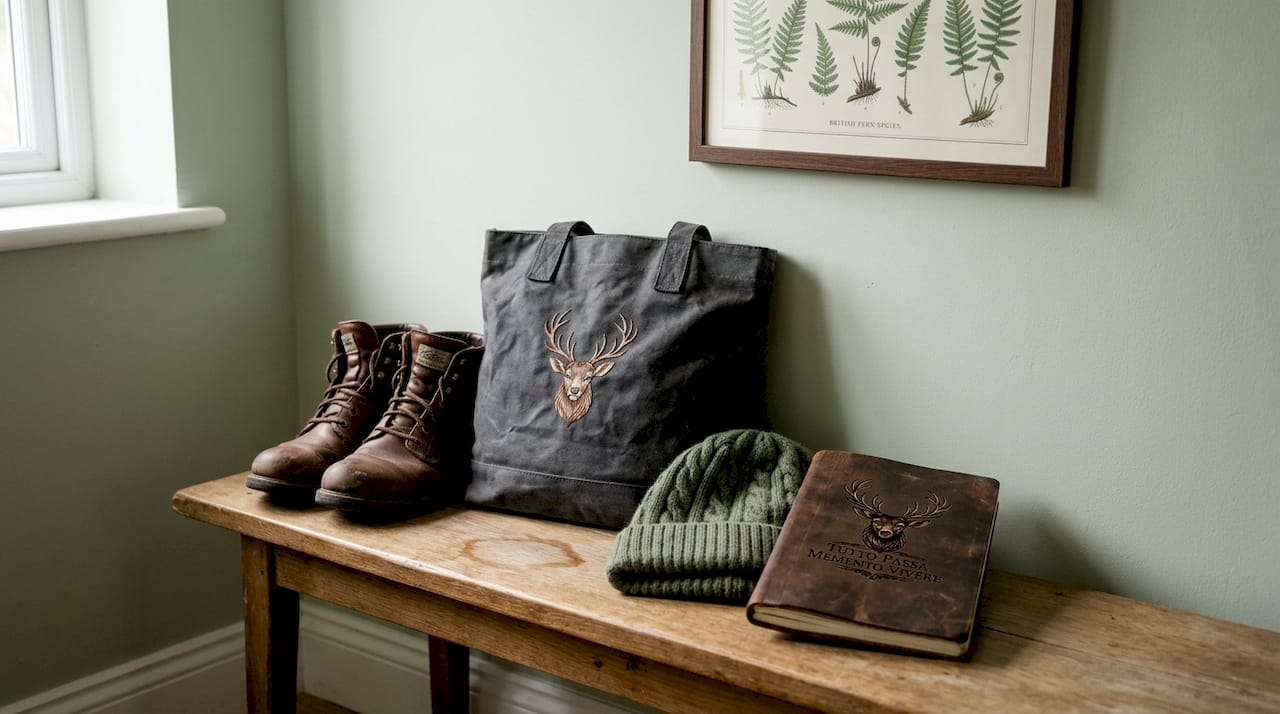
Pro Tip: Prioritise accessories that can anchor both a casual and a slightly more dressed look. A quality waxed canvas backpack, for example, works with a wildlife tee and joggers just as well as it does with a mid-layer and tapered trousers. Reviewing minimalist fashion startups is a useful starting point for sourcing accessories that meet both design and sustainability criteria.
Wildlife motifs and urban resilience: Trend highlights from the runway
After listing essentials, it is useful to see how wider design influences are shaping what is available and desirable. Runway collections set the direction for accessible high-street and independent brand offerings, often by 12 to 18 months.
AW26 fashion week collections in London and Paris featured a notably heavy use of wildlife motifs, with greenery, woodland creatures, and naturalistic textures appearing across multiple major labels. This signals a sustained cultural shift rather than a seasonal trend.
“Nature is not a backdrop this season. It is the subject.”
| Designer | Motif used | Colour palette | Accessible application |
|---|---|---|---|
| Louis Vuitton | Deer and woodland foliage | Deep forest greens, bark brown | Embroidered tees, canvas accessories |
| Dior | Botanical illustration | Sage, cream, stone | Printed mid-layers, linen shirts |
| Erdem | Floral and fauna | Dusty rose, moss green | Patterned outerwear, printed scarves |
| Miu Miu | Grassland textures | Wheat, tan, off-white | Textured knitwear, natural fibre skirts |
The phrase “touching grass” has moved beyond internet culture into a genuine design philosophy. In the context of AW26, it refers to a broader turn towards nature as a grounding force for urban populations navigating stress and disconnection. Designers are responding to this demand by incorporating materials and imagery that evoke outdoor environments, even within thoroughly urban silhouettes.
For those building a capsule wardrobe in 2026, this runway direction is directly useful. It confirms that wildlife motifs and earthy tones are not a niche aesthetic but a broad, commercially validated direction. Pieces that align with these values now are unlikely to feel dated within two to three seasons. Exploring meaningful minimalist clothing brands reveals how independent labels are interpreting these same runway signals at accessible price points.
Sustainability and longevity: Why quality matters
Having traced style influences, it is worth examining why durability and ethical production are as important as design when selecting wildlife aesthetic clothing.
73% of UK consumers plan to invest in higher-quality pieces in 2026, moving away from volume purchasing. At the same time, GOTS-certified organic cotton production saves up to 20,000 litres of water per kilogram of fabric compared to conventional cotton. These two facts are directly connected: buying fewer, better pieces reduces both personal expenditure over time and resource consumption at the production stage.
Gen Z consumers are driving a 15% increase in garment lifespan through repair and care practices, and 60% of this demographic cite sustainability as a primary purchasing factor. This is not simply an ethical preference. It is a practical response to the rising cost of clothing and the visible environmental cost of fast fashion.
| Factor | Fast fashion garment | Quality wildlife aesthetic piece |
|---|---|---|
| Average lifespan | 10 to 15 wears | 3 to 5 years with regular use |
| Fabric composition | Synthetic blend | 95%+ natural fibre |
| Environmental cost | High water and chemical use | Significantly lower with GOTS certification |
| Cost per wear | Higher over time | Lower over equivalent period |
| Repairability | Limited | High, especially natural fibres |
The benefits of mindful fashion extend beyond environmental impact. Garments made from natural fibres are easier to repair, dye, and alter, which extends their usable life considerably. A hemp-cotton jogger with worn seams can be re-stitched at low cost. The equivalent piece in a polyester blend cannot.
Key factors to consider when assessing sustainability:
- Certification: GOTS, Fair Trade, or B Corp status indicates verified standards
- Country of manufacture: Shorter supply chains generally carry lower transport emissions
- Packaging: Minimal, plastic-free packaging reflects brand-level commitment
- Repairability: Natural fibres are more forgiving and easier to maintain
- Brand transparency: Clear information about material sourcing and labour practices
Reviewing mindful apparel brands provides a structured way to compare options against these criteria before committing to a purchase.
Why mindful simplicity transforms your wardrobe (and mindset)
There is a tendency to treat the wildlife aesthetic as a visual category, a collection of stags and ferns and earthy tones applied to clothing. This is a limited reading. The more accurate framing is that wildlife aesthetic clothing represents a functional philosophy: acquire less, choose deliberately, and ensure each piece serves a defined purpose.
This approach directly challenges the logic of over-consumption. When a wardrobe is built around 12 to 15 pieces with genuine cross-functionality, the daily decision of what to wear becomes significantly simpler. There is less cognitive load, less wasted time, and less eventual waste in the form of discarded clothing.
Wildlife motifs within this framework are not purely decorative. For urban dwellers navigating dense cities, a garment referencing the natural world serves as a quiet, constant reminder of perspective. The stag, in particular, carries a long symbolic history: it represents resilience through changing conditions, forward movement, and grounded independence. These are qualities that translate directly to urban life, not as abstract ideals but as practical orientations.
The conventional argument against capsule wardrobes is that they are restrictive. In practice, the opposite is true. A well-chosen capsule removes the friction of excessive choice while preserving full expressive range within a coherent aesthetic. The constraint is the point.
Our mindful fashion guide outlines how this kind of intentional wardrobe building connects to broader values around consumption, time, and environmental responsibility. The wildlife aesthetic is not a trend to cycle through. It is a stable, principled approach to dressing that happens to be well-supported by current design direction and sustainability data.
Build your mindful wildlife-inspired wardrobe
For those ready to act on these insights, curated options are available that meet the criteria set out in this guide.
Memento Vivere produces minimalist wildlife-inspired pieces built around the stag symbol and earthy, natural tones. The wildlife-inspired backpack and drawstring wildlife bag are designed to function as capsule accessories, pairing with the core garments described above. Each piece uses natural materials, restrained detailing, and a consistent aesthetic rooted in stoic philosophy. To view the full range of capsule-compatible clothing and accessories, discover more styles at the Memento Vivere collection.
Frequently asked questions
What defines wildlife aesthetic clothing?
Wildlife aesthetic clothing uses earthy colours, quality natural fibres, and authentic animal or botanical motifs for a minimal yet nature-connected style. UK and European sustainable fashion trends confirm that natural fibres and longevity are the primary markers of credible pieces in this category.
Why is sustainability so important for this trend?
Sustainability directly supports garment longevity and reduces environmental impact, both of which align with the movement’s core philosophy of connection to nature. GOTS organic cotton saves up to 20,000 litres of water per kilogram of fabric compared to conventional production methods.
How many pieces do I need for a wildlife-inspired minimalist capsule?
Aim for 12 to 15 pieces including tees, hoodies, joggers, and accessories, all selected in earthy tones and natural fibre compositions. A capsule of 12 to 15 versatile pieces has been identified as the optimal range for balancing minimalism with practical coverage.
What makes wildlife motifs popular in UK and European fashion now?
Record use of greenery and wildlife imagery on AW26 runways reflects a broad cultural turn towards resilience and nature as a counterpoint to urban stress and disconnection.
Recommended
- Nature inspired clothing: top brands, materials and choices – Memento Vivere Co
- Nature-inspired fashion: 5 proven benefits for mindful style – Memento Vivere Co
- New UK clothing brands for meaningful minimalist style – Memento Vivere Co
- Minimalist streetwear: Self-expression for urban youth – Memento Vivere Co
- Minimalist Summer Wardrobe: Simplifying Seasonal Style – Be Juliet
- Minimalistic Camping Gear: 40% Lighter & Eco-Friendly – Sitpack